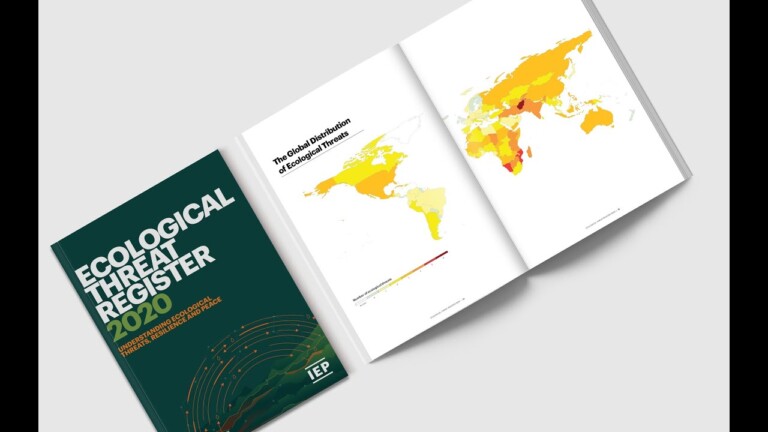
A new report warns that by 2050, an estimated 1.2 billion people could be forced from their homes due to extreme weather and disasters driven by climate change, and experts warn that LGBTQ+ people will face unique and heightened risks. This is not the most recent warning. Two years ago, activists from Just Stop Oil briefly halted London’s 2023 Pride parade, protesting fossil fuel sponsors and warning of an unfolding humanitarian emergency.
Their statement was clear: the climate crisis “has already killed, and made homeless, millions of people, including many LGBTQ+ people…Due to their position at the margins of society, LGBTQI+ people are especially vulnerable.” Climate campaigner Lily O’Mara emphasized that “hundreds of millions of people are likely to be forced from their homes as conditions become unsuitable for human survival.” Queer people of color in the global south, she said, are among the first to feel the impact.
Research underscores these fears. The Williams Institute found that same-sex couples in the U.S. are more likely to live in areas with higher climate risk — coastal regions and cities already facing extreme weather and limited resources. Globally, LGBTQ+ refugees often encounter discrimination, harassment, and exclusion from aid or asylum systems.
Legal scholar Eoin Jackson warns that courts and governments often fail to recognize how climate change intersects with persecution: “If courts view climate change as affecting everyone equally it is more difficult to justify why LGBTQI+ people are uniquely vulnerable.” Both Jackson and O’Mara agree that the time to act is now: by reforming refugee laws, amplifying queer voices, and tackling the climate crisis head-on.