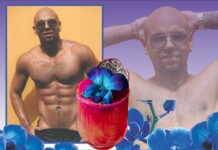








“Dark Summer” started out as a piano ballad, with Stewart Taylor imagining himself as a male Lana Del Rey as he wrote and sang the lyrics. “I’m a complex person, and I wanted to get in touch with my depression on this song,” the LA-based singer, songwriter, dancer, and model explains.
Del Rey’s “Summertime Sadness” and David Bowie’s “Ashes to Ashes” are two of Taylor’s favorite records, and the latter’s synth-heavy, haunting quality became a touchstone as producer Stevie Beerkens helped him chase those influences into a full-blown industrial-pop confessional about heartbreak in Los Angeles.
Along the way came a happy accident: the baritone vocals recorded for the chorus weren’t originally meant to be the lead. “I sang them as a backing vocal, but when Stevie and I heard them back, it reminded us of classic Billy Idol records, and we turned them up,” Taylor says.
He hopes listeners tap into their own inner Billy Idol when they hear “Dark Summer” for the first time, and for the music video, he pairs those dark beats with a cinematic, horror-tinged visual that feels perfectly suited to the fall season.
We caught up with Taylor from his home in Los Angeles to talk heartbreak, Billy Idol, and finding the light on the other side of a very dark summer.
“Dark Summer” is a brooding track, Stew, much darker than anything we’ve heard from you before.
I wrote “Dark Summer” about all of the men who have let me down in my life, specifically the ones I’ve dated in Los Angeles. I was having a conversation with a bartender in West Hollywood about the dark nail color she was rocking for the summer, and the whole song idea came to me! I wrote all the lyrics and melodies with my co-writer, Stevie Beerkens, in a session the next day.
The title suggests a contrast of brightness and darkness colliding. What does that tension mean to you personally?
“Dark Summer” and my album as a whole absolutely explore light and dark themes. In my ten years in LA, I’ve had a whirlwind of experiences: relationships, heartbreak, rebirths, successes, and failures.
I’m a pretty upbeat and happy person, and I had to fight very hard for the light in my life. This song and album were my way of exercising my demons and bringing them out of the darkness.
How would you describe the song’s sound?
It’s very industrial-pop, a lot darker than anything I’ve done in the past. I’ve been inspired by Lady Gaga’s recent album, Mayhem, as well as Nine Inch Nails records.
What emotions or experiences were you tapping into with this single?
Dating in LA has been hell. It’s definitely not an easy city to find a long-term relationship in, so I had a lot of real-life experiences to draw from when writing the lyrics.
“Crying while I’m wearing my shades” came from a memory of an ex making me cry in the club and having to wear my shades for the rest of the night. Lots of broken promises, lies, and heartbreak resulted in this song.
How does “Dark Summer” fit within your artistic evolution, from your earlier singles to now?
Evolving as an artist has always been very important to me, and “Dark Summer” is definitely a new chapter for me musically.
My debut album is done, and it has a lot of different textures. I sing pop, rock, and R&B, and land somewhere in between those genres. “Dark Summer” is the first taste of that.
So there is a larger project that fans can look forward to?
I’ve been releasing singles and music videos from my debut album for over a year, and “Dark Summer” is another taste of what’s to come.
Writing, recording, and producing a full, twelve-song album has been a ton of work. I’ve pushed back the release many times to really get it right, and it’s steadily become my magnum opus. The album is a journey, for sure!
What ideas or imagery guided the creative direction for the music video?
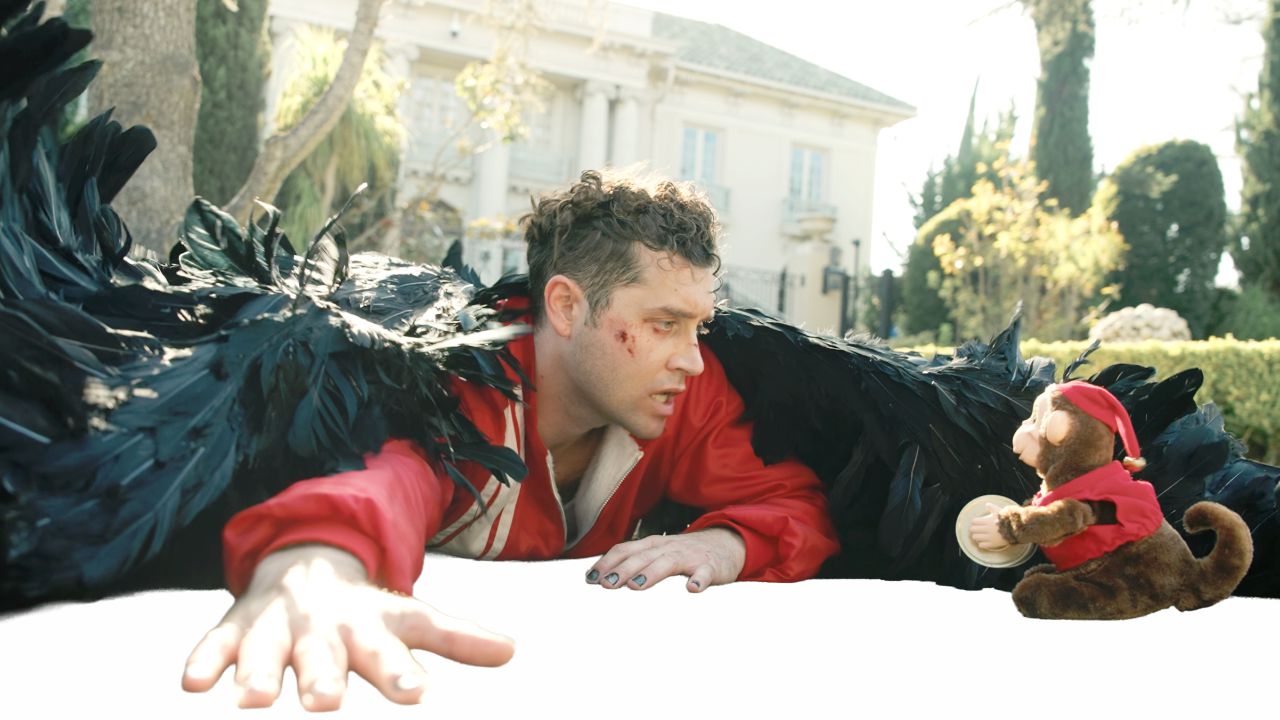
I wanted the visual to be very cinematic, like old horror films or James Dean classics like Rebel Without a Cause.
In “Dark Summer,” I play a walking-dead James Dean. Sporting a red jacket and animatronic angel wings, I created a story of James falling from Heaven to haunt Hollywood for a day.
He gets used and abused by a lot of powerful men in Hollywood and ultimately dies a tragic death in a car accident.
I wrote the song about feeling beat up and scarred by love, or the lack thereof, and the music video was a way of exploring my connection to him.
Is it true that an encounter with Justin Timberlake inspired all the blood in the music video?
(Laughing) Yes! Working with Justin Timberlake on his “No Angels” music video absolutely inspired me to explore darker themes in my own work.
Justin had me drenched in fake blood while dancing with him, so it’s his fault I went bloody in this video!
The choreography in your videos is always dynamic and full of storytelling. How does the movement in “Dark Summer” help express the song’s emotions or narrative?
I worked with my longtime friend and choreographer, Julie Vegliante Knight, on the “Dark Summer” choreography.
We were inspired by Lady Gaga’s “Dead Dance” video, directed by Tim Burton. Her performance was very evil-dead and zombie-coded, and I wanted to tap into that energy during my own dance sequences.
How do you want “Dark Summer” to change the way people see you as an artist?
I’m not just the fun, twenty-something pop singer who released “Mess Your Hair Up” in 2019.
I have so many layers as a person and as an artist, and “Dark Summer” really explores and embraces my dark side.
Follow Stewart Taylor on Instagram & TikTok: @imstewarttaylor